2026-10-23 ·
Chimney Draft Problems in Older Upper Arlington Neighborhoods
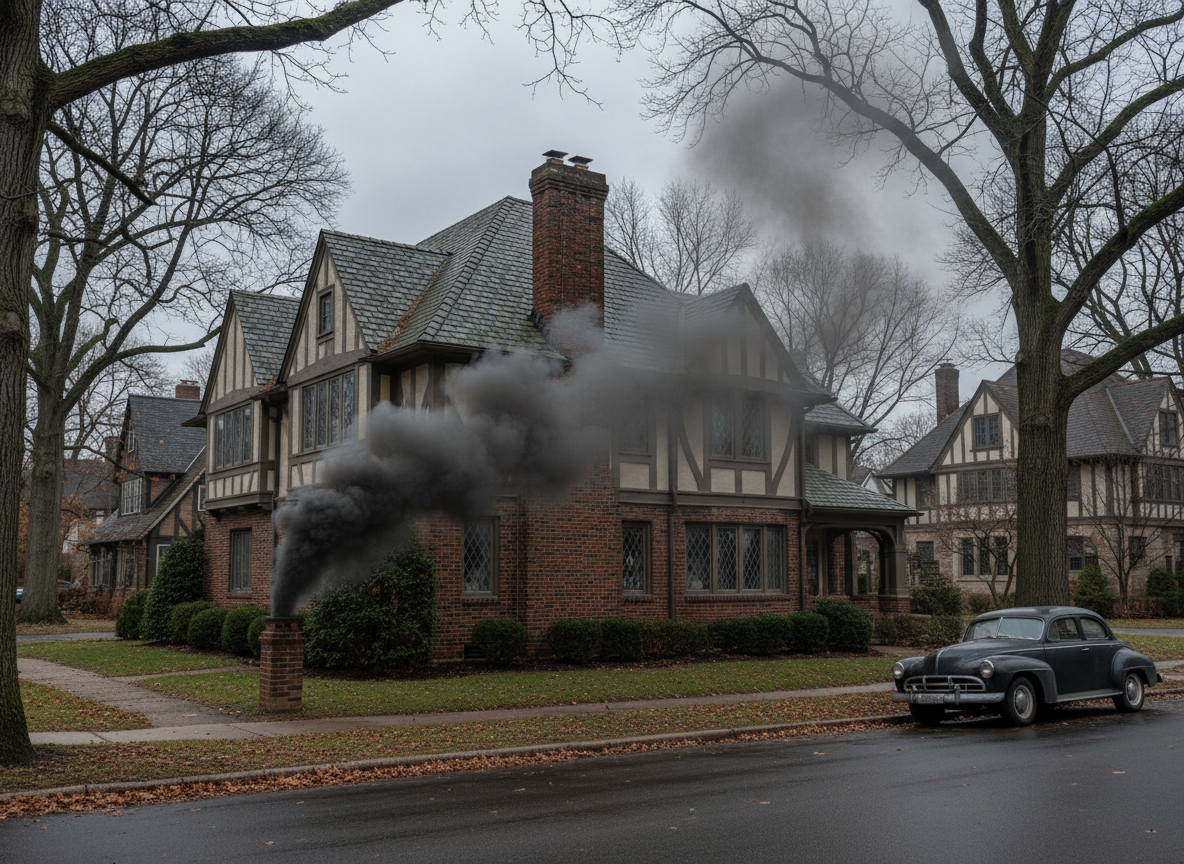
Chimney draft problems in older Upper Arlington neighborhoods usually trace to settling brickwork, deteriorated mortar joints, and missing or damaged liners in homes built before 1960. These issues appear frequently in areas such as Arlington Ridge, Tremont, and River Ridge where many residences feature original masonry chimneys exposed to Franklin County's freeze-thaw cycles. Homeowners near the Upper Arlington Municipal Center or Northam Park report weak fires and smoke spillage during winter because cold air infiltrates through cracks that widen after repeated humid continental weather swings. The four distinct seasons accelerate wear: summer humidity allows moisture to penetrate, then winter freezes expand those gaps and reduce upward draft. Checking flue condition early prevents larger structural failures common in this housing stock.
Causes Tied to Local Housing Age and Terrain
Upper Arlington homes from the 1940s and 1950s often sit on clay-heavy soils that shift slightly each year, stressing chimney bases and creating small gaps at the roofline. In neighborhoods like Arlington Ridge and River Ridge, these movements combine with original single-wall brick construction that lacks modern insulation. Cold winds sweeping from nearby Columbus and Worthington directions pull heat sideways instead of upward when crown or flashing damage exists. Humid continental summers allow rainwater to soak into porous mortar, then winter temperatures drop and freeze the water, widening cracks that destroy draft. Owners near the Upper Arlington Public Library or Grandview Heights borders see this pattern repeat because many chimneys there have never received tuckpointing or relining. The terrain's gentle slopes also direct runoff toward foundations, keeping base masonry damp longer than in flatter parts of Franklin County.
Seasonal Patterns That Worsen Draft in Tremont and Similar Areas
Winter brings the clearest draft complaints because sub-freezing nights pull cold air down flues that already have liner gaps. In Tremont and South of Northam sections, residents notice fires struggling to draw once temperatures stay below 25 degrees for several days. Spring thaws then send meltwater through those same openings, soaking creosote and creating odors that linger into summer. The humid continental climate means fall rains often arrive before homeowners close dampers fully, allowing water to pool at the smoke chamber and further block draft paths. These cycles repeat annually in pre-war homes around Northam Park, where original clay tile liners have cracked from decades of expansion and contraction. Addressing the root masonry movement rather than temporary fixes keeps draft consistent across all four seasons.
Practical Inspection Steps for Older Chimneys
Start by lighting a small test fire on a mild day and watching smoke direction at the top. Use a mirror at the damper to check for daylight leaks indicating crown or flashing failure common in Arlington Ridge homes. Measure draft with a simple smoke stick or match near the fireplace opening; steady upward movement rules out major blockages. Walk the roofline if safe to spot missing mortar or vegetation growth that traps moisture and reduces effective flue height. Note any white staining on exterior brick, a sign of repeated water entry that eventually collapses draft in Franklin County winters. These checks reveal whether the issue sits in the crown, liner, or base before calling for chimney inspection service.
When Relining or Repair Restores Draft
Many older chimneys regain proper draft after stainless steel liner installation that seals cracks without full rebuild. In River Ridge homes, this approach often solves persistent smoke rollback that standard sweeping cannot fix. Pairing liner work with crown repair stops the moisture cycle that widens gaps each winter. Homeowners in Tremont Center sometimes combine these steps with chimney relining to handle both draft loss and creosote concerns at once. The process typically takes one day and leaves the original brick appearance intact while meeting current code clearances. Follow up with annual inspections to catch new settling before it affects draft again.
Related Reading on Local Chimney Care
Review How to Check for Creosote Buildup in Your Chimney for signs that compound draft loss in older flues. See also Preparing Your Chimney for Spring Storms in Upper Arlington to protect against seasonal water entry that further reduces upward pull.